
Recompilation Ratchet & Clank: Tools of Destruction
Ratchet & Clank: Tools of Destruction PC recompilation 1.3.0 adds a difficulty selector
Version 1.3.0 of TeRo's native Windows port of the PlayStation 3 platformer speeds up the renderer in big fights, adds a difficulty selector, a new save picker and a Quit option, and fixes a long list of bugs. The whole game has been played through on this version.
 by CDRomance
· 3 min read · Comments
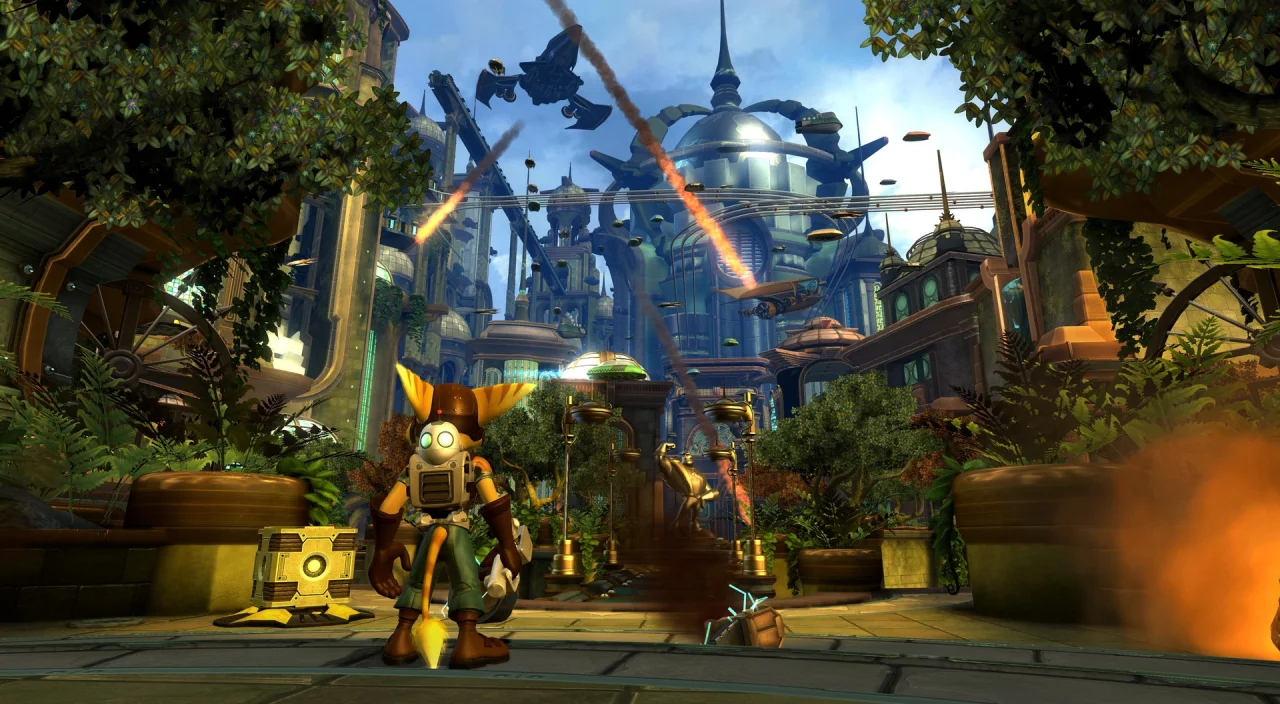
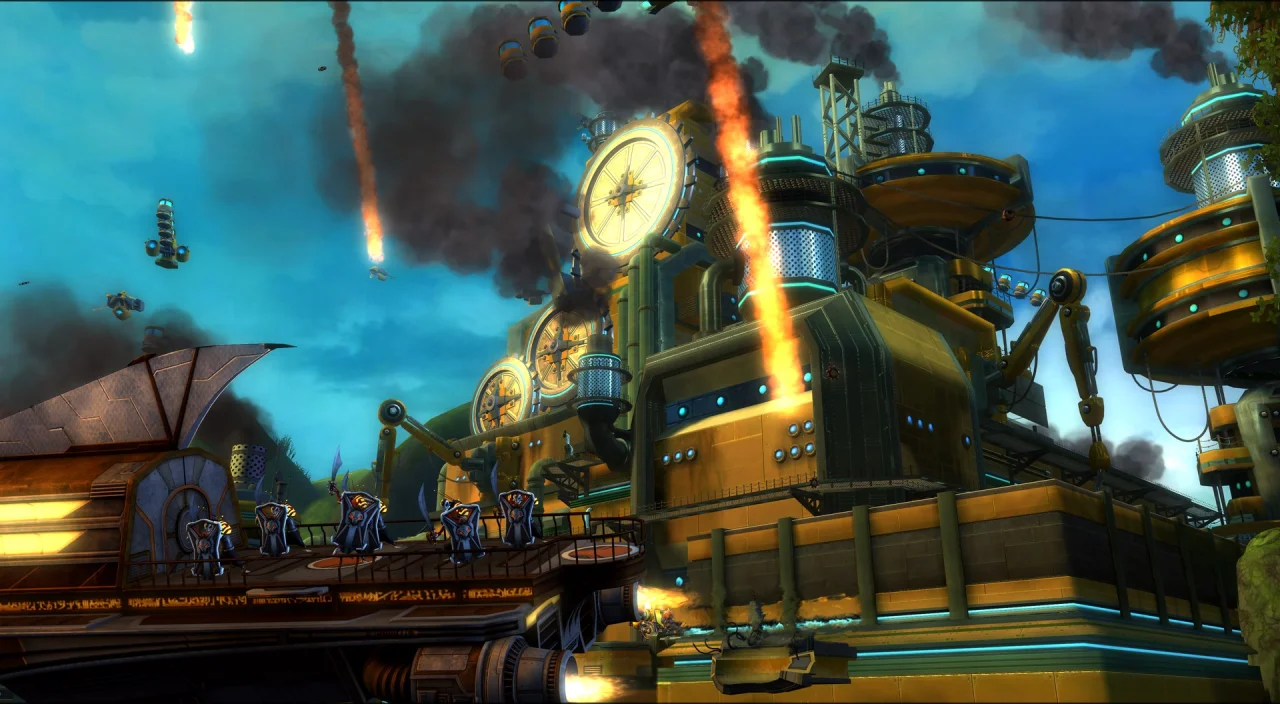
The native PC port of Ratchet & Clank: Tools of Destruction has reached version 1.3.0, two weeks after its first public release. The project, ratchet-tod-recomp by TeRo (Re-TeRo17), is a static recompilation of Insomniac Games' 2007 PlayStation 3 platformer, known in North America as Ratchet & Clank Future: Tools of Destruction. The update, published on GitHub on 16 November 2026, is mostly about polish: steadier performance in the busiest fights, menus that feel like part of the game, and fixes for problems players reported. According to the developer, the game was played from start to finish on this version.
What's new in 1.3.0
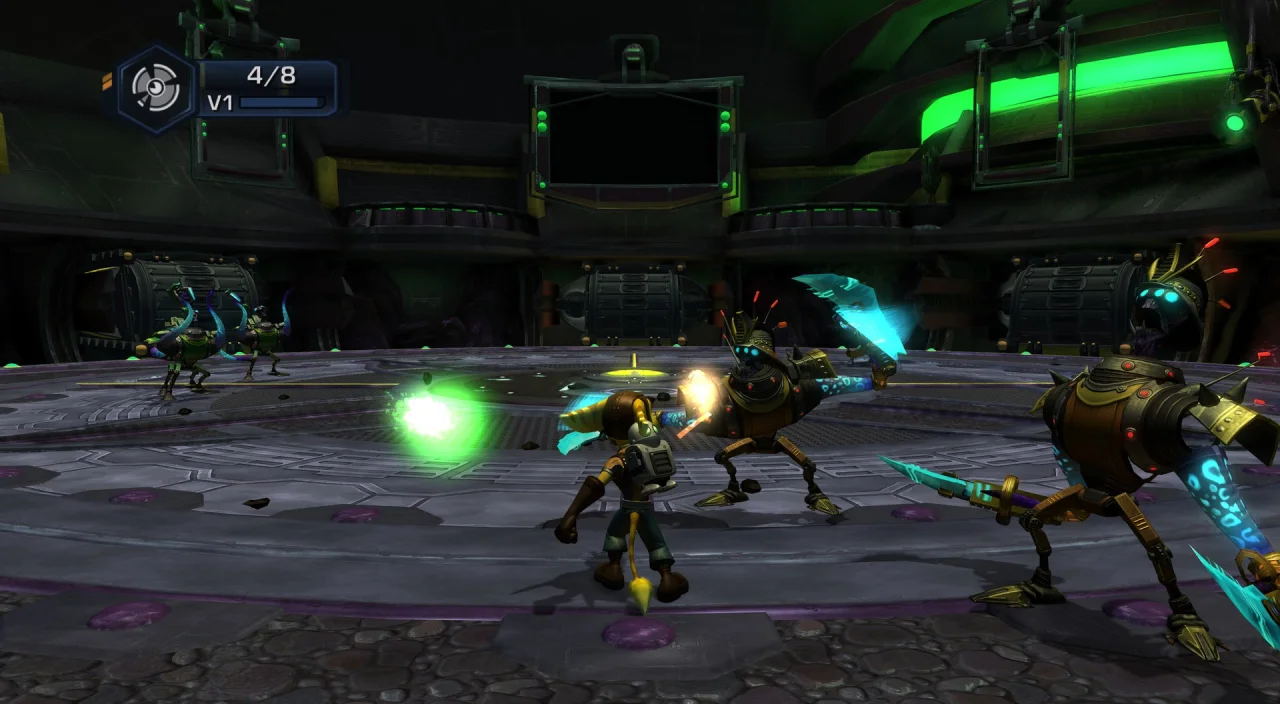
The headline addition is a difficulty selector. The original game adjusts its difficulty on the fly, and in the port that system was ramping up to the hardest level too quickly. Players can now choose between five fixed levels, from story to extreme, with medium as the default, and switch at any time. The original dynamic behaviour can still be turned back on, and a proper fix for it is planned.
Seven renderer optimisations aimed at large fights are enabled by default, although the changelog is clear that the heaviest battles can still dip under 60 fps at 4K. There is now a Quit entry in the main and pause menus, a save picker with thumbnails, the game's own font in the port's menus, and an option to swap R1 with R2 and L1 with L2 on any controller. Optional extras, all off by default, include a combat log, every weapon in every shop and a barefoot Ratchet.
Fixes cover the decrypter minigame getting stuck above 60 fps, a HUD ring that was missing on Windows 10, flicker in the weapon vendor menu, ultrawide problems in movies and cutscenes, button prompts that ignored remapped keys, and installer failures with long paths.
What the port does
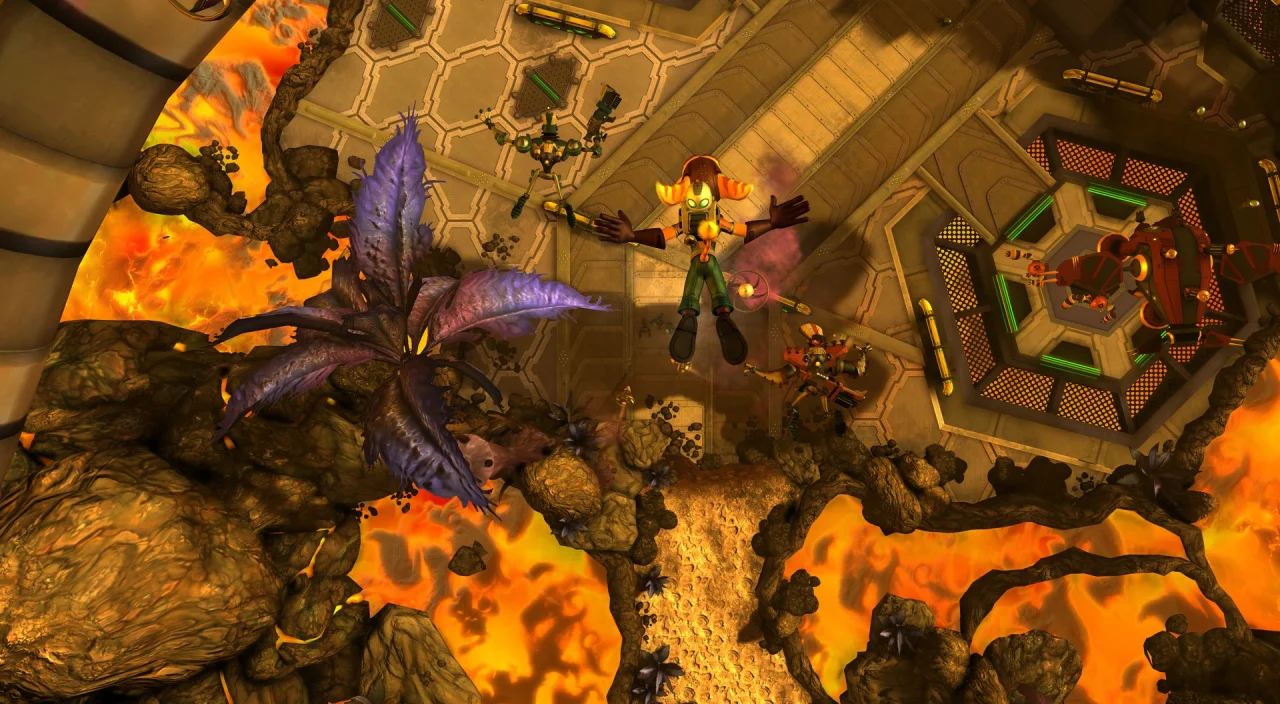
The port is built on the ps3recomp toolkit. The game's PowerPC and SPU code is translated ahead of time and compiled into a normal Windows program that draws with Direct3D 12, so no emulator runs underneath. It renders at any multiple of the original 720p, targets 60 fps where the PS3 often ran at 30, and supports MSAA, ultrawide screens, rebindable keyboard and mouse controls, DualSense adaptive triggers and experimental ray-traced ambient occlusion. Earlier updates this month brought multithreaded rendering, precompiled shaders and PC settings inside the game's own Options menu.
What you need
Nothing from the game is included. You need your own copy of the European disc release (BCES00052, version 1.00); other regions and the digital version aren't supported, and the installer checks the disc before it builds the game folder. The port runs on 64-bit Windows 10 or 11 with a CPU that supports AVX2 and a Direct3D 12 graphics card, with 16 GB of RAM recommended and about 24 GB of disk space. There's no native Linux build, but the README carries a community guide for running it through Proton on Steam Deck and SteamOS.
Still in progress
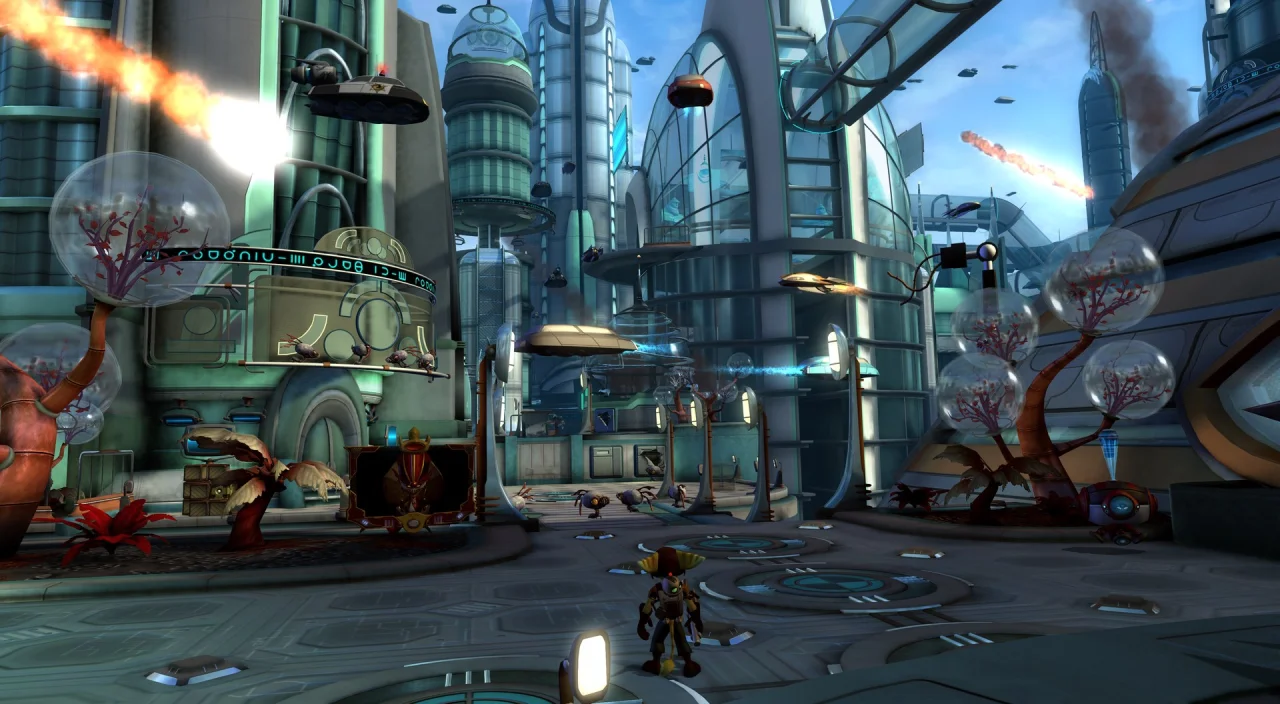
The developer doesn't call the port finished. Known issues in 1.3.0 include flicker on Clank at Kreeli Comet, silent port menus and remaining frame drops in the heaviest fights, and AMD and Intel graphics cards haven't been tested. Existing players can update in place and keep their saves and settings. To try it, follow the instructions on the project's GitHub page with your own copy of the game.
Comments 0
No comments yet. Be the first.
Log in with Discord to vote.