
Recompilation The Legend of Zelda: Ocarina of Time
NX2navi PC port of the Ocarina of Time remake reaches 0.10 with less stutter and a mod manager
NX2navi, a static recompilation of the Switch 2 Ocarina of Time remake for Windows, has gone through ten releases in a week, adding DLSS and FSR 4 frame generation, launcher mods and big cuts to open-world stutter.
 by CDRomance
· 3 min read · Comments
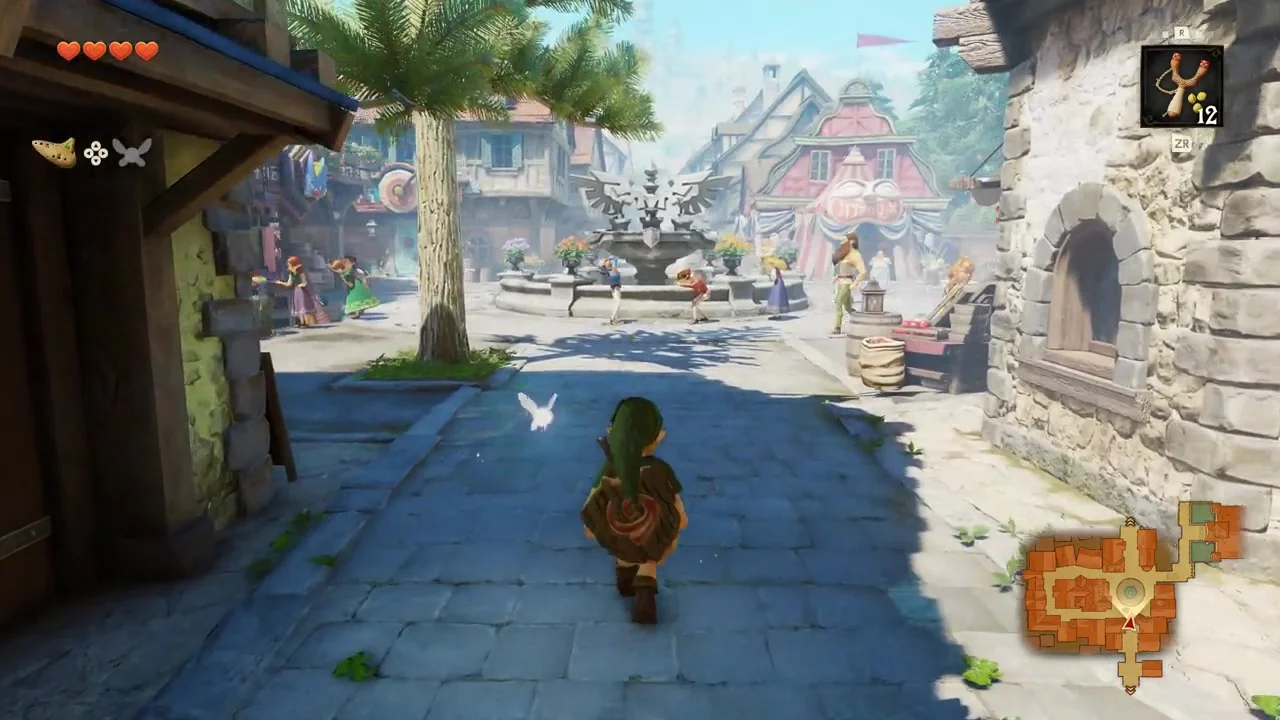
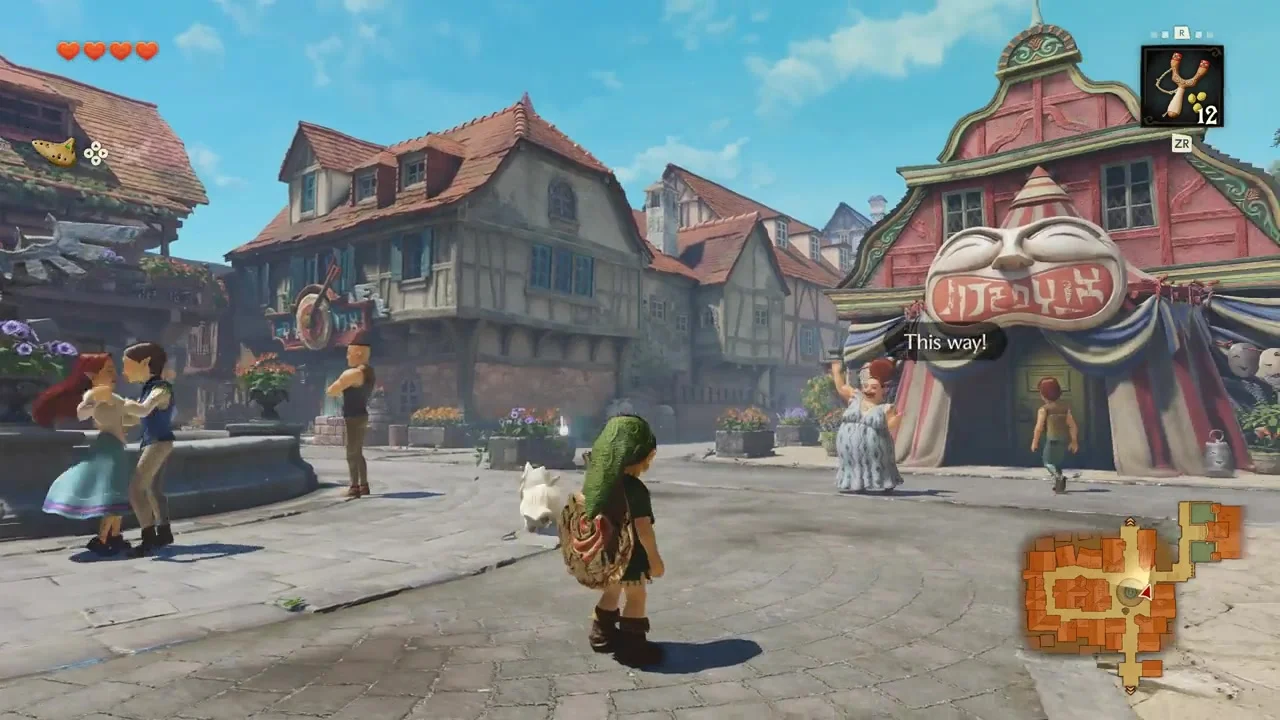
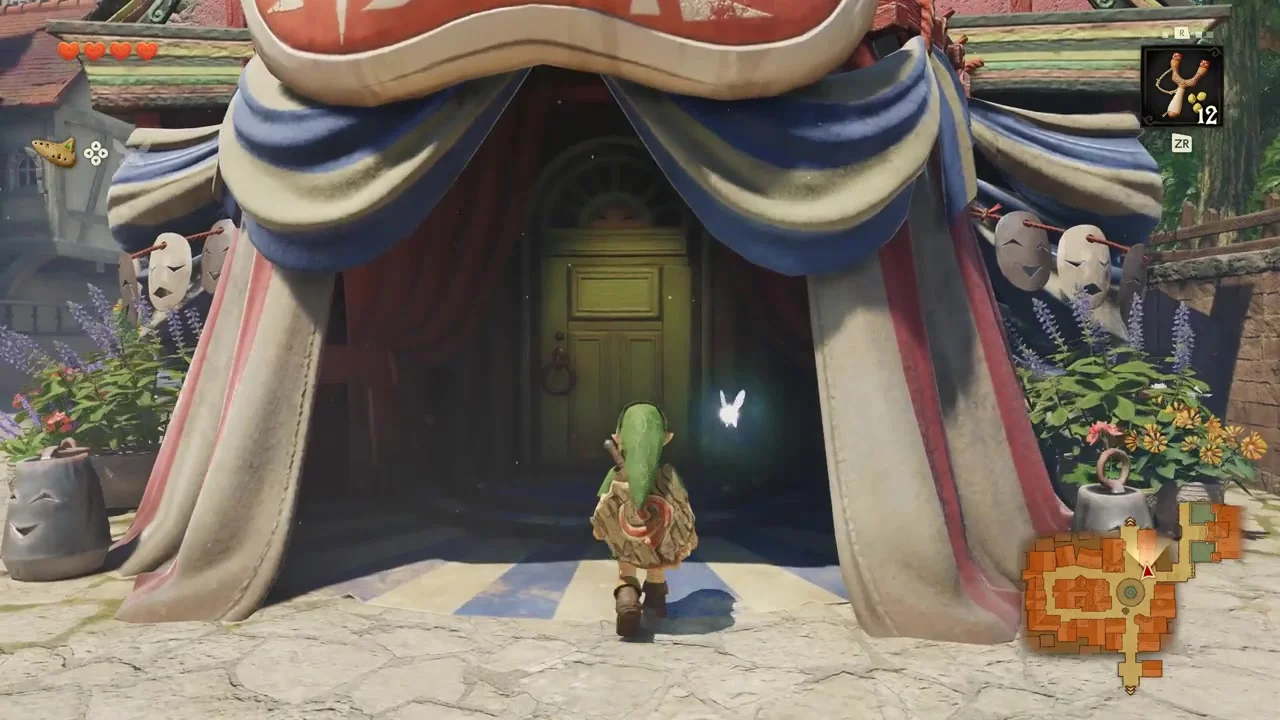
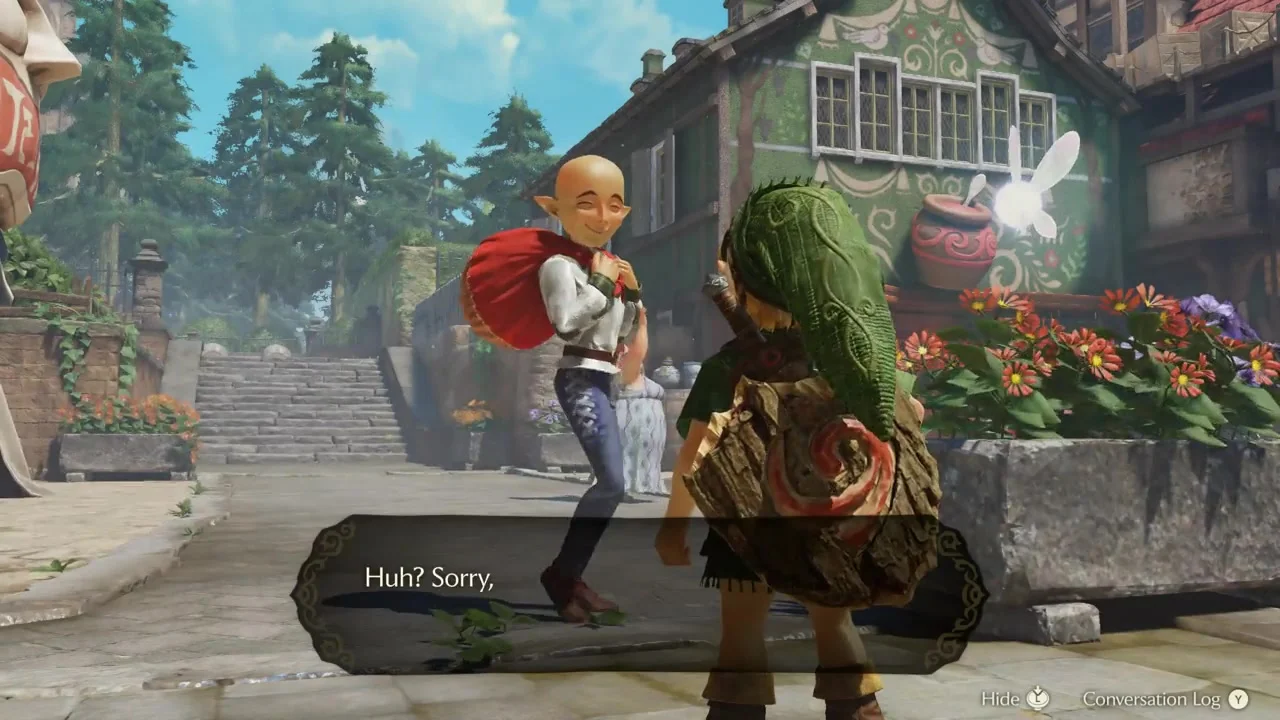
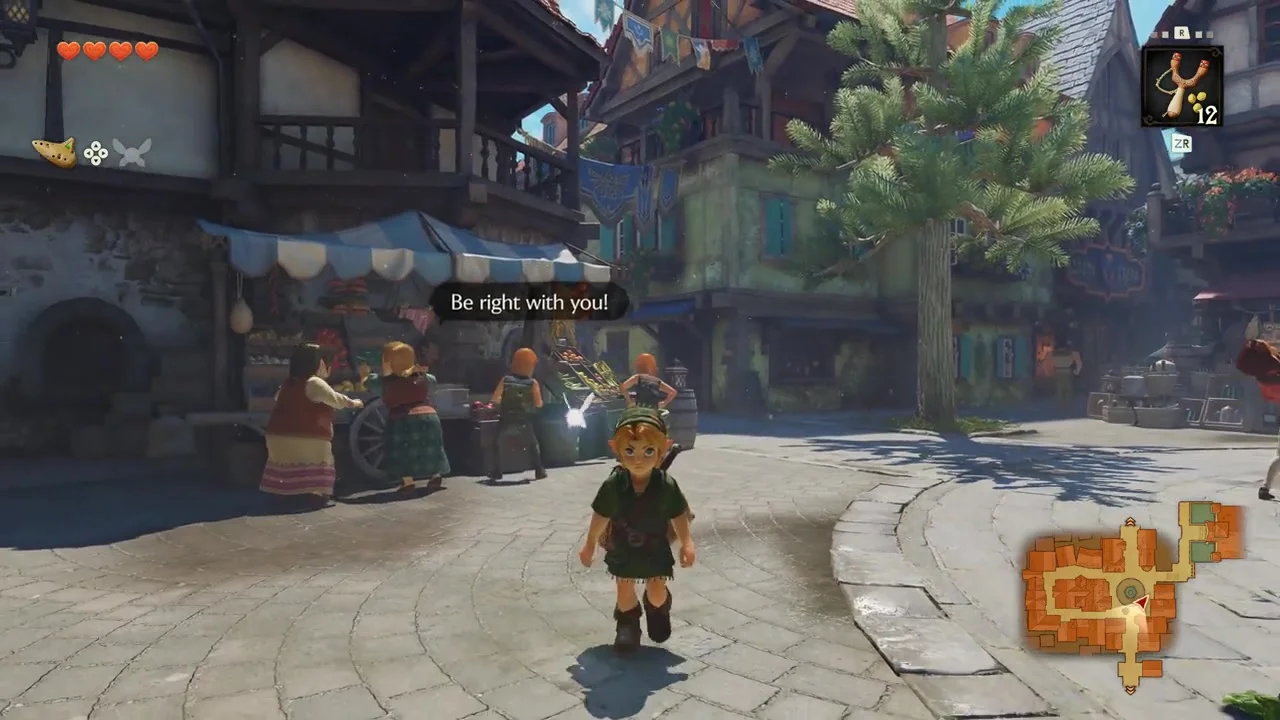
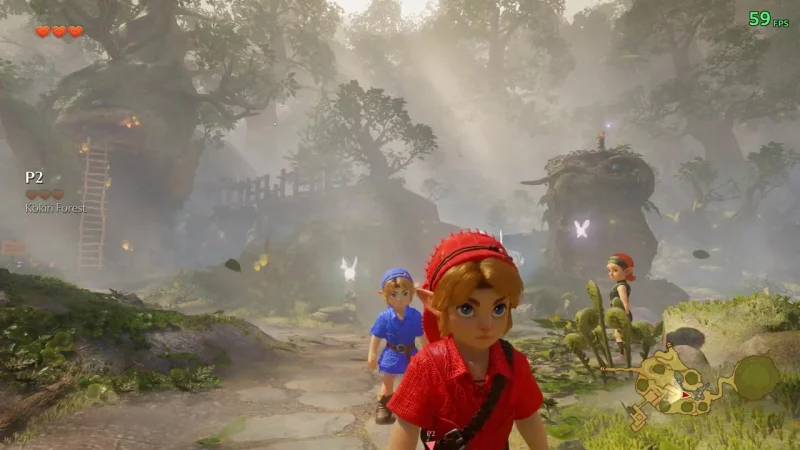
The Switch 2 remake of The Legend of Zelda: Ocarina of Time came out on November 5, 2026, and within days it already had a native PC version in the works. NX2navi, led by GitHub user tangerineturtle1, statically recompiles the game's Switch 2 code (version 1.1.1) into an x86-64 Windows program with its own Vulkan renderer, so it doesn't rely on an emulator. A clip shared on r/decomps shows young Link walking around a busy Castle Town market at 1440p and 60 fps with DLSS upscaling. That footage came from version 0.5, the second public build. The project has moved quickly since: the NX2navi repository now lists 0.10.1, released on November 13, as its latest stable version, with a 0.10.2 preview for testers.
It's a separate effort from Hookshot, the other PC recompilation of the same remake, which we covered when it got an [online co-op test build](/news/ocarina-of-time-remake-gets-online-co-op-test-build-on-the-hookshot-pc-recompilation).
What changed since the video
Stutter got most of the attention. Version 0.9.0 changed how the runtime watches the game's memory for changes, and the developers say this fixed long hitches while running across Hyrule Field: on their test route, frames longer than 100 ms went from up to 52 a minute to none. The setup now also builds a list of nearly 10,000 graphics pipelines in advance, so far fewer of them have to be compiled when you first enter an area. Version 0.10.0 sped up towns by starting work on the next frame while the graphics card is still finishing the current one, cut video memory use in several places, and fixed physics and sound problems above 60 fps. One example: moving platforms in the Deku Tree no longer slide out from under Link at high frame rates.
Features
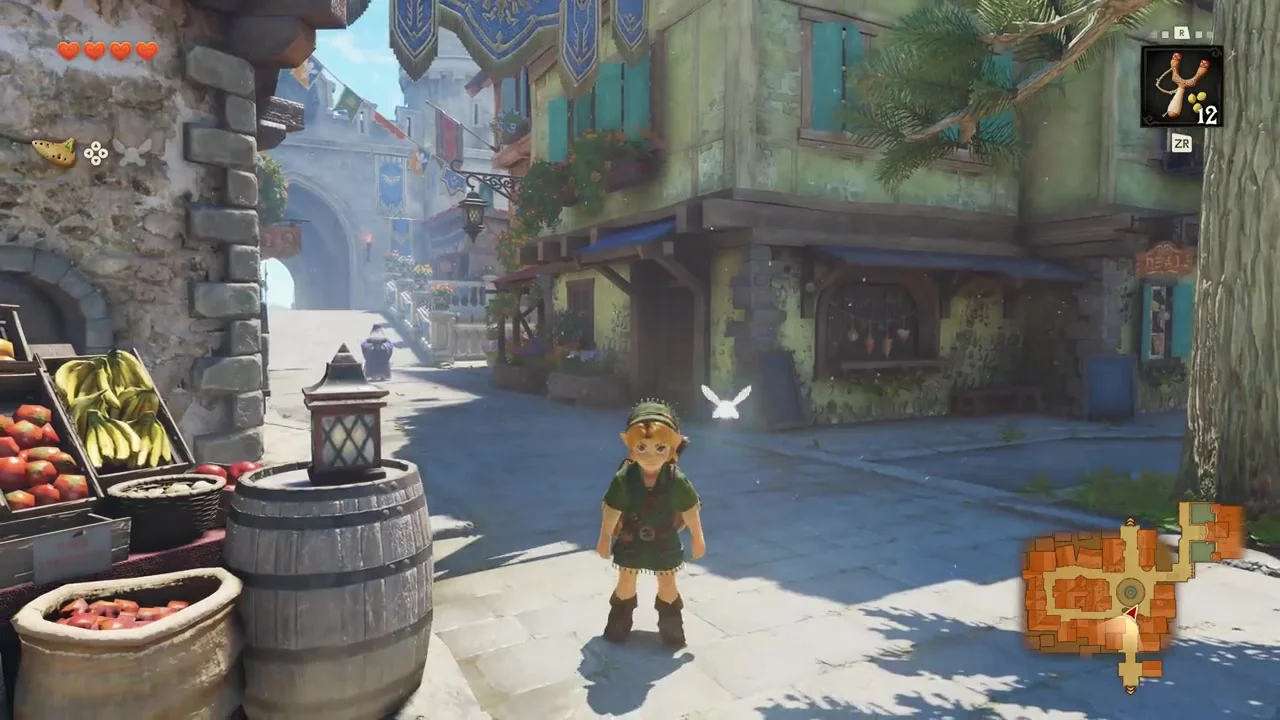
The port renders at resolutions from 1080p to 4K and above, supports widescreen and ultrawide with the HUD kept at 16:9, and lets you cap the frame rate anywhere from 30 to 240 fps. It also supports HDR. For upscaling it offers NVIDIA DLSS, AMD FSR 3.1 and, on Radeon RX 6000, 7000 and 9000 cards, FSR 4. Frame generation is available through DLSS (up to 4x on RTX 50 cards) or FSR. Other recent additions include:
- a mod manager in the launcher with on/off switches and load order (0.9.1)
- a texture detail setting for cards with less video memory (0.7.1)
- an experimental low-end GPU mode written by contributor Tobim6 and tested on a Radeon RX 580 (0.9.2)
- a sprint button, faster text speeds and an F8 key that saves a bug report capture (0.10.0)
Other contributors named in the release notes include epicmeme546, automata, Leyukaka and Vasilis Manetas. The 0.10.0 release also dropped a hidden co-op beta, and the team says a new co-op mode is being built to replace it.
What you need
The project ships no game files. You need your own copy of the Switch 2 game (version 1.1.1), dumped from your own console. The installer sets up a launcher that checks your files and builds the game on your PC, which takes 10 to 25 minutes the first time. You also need Windows 10 or 11, 16 GB of RAM, about 30 GB of free disk space and a Vulkan 1.3 graphics card. Building on Linux is possible by hand. The developers still call NX2navi early development: expect a short pause the first time you enter an area after installing, and the occasional crash.
If you own the game, the NX2navi GitHub page has the installer, setup instructions and full changelogs.
Comments 0
No comments yet. Be the first.
Log in with Discord to vote.